Caregiving Is the Second Job Nobody Posted
63 million Americans are family caregivers and most of them also work. A practical guide to managing a parent’s care without burning through PTO or yourself.

Last reviewed November 2026. Reviewed by Dr. Kaitlan Baston, MD, MSc.
If you’re managing a parent’s medical care and working full time, a few things save the most time. Stack appointments together. Send someone else or call in, then read a summary instead of taking a half day. Keep one medication and doctor list everyone can reach. And know your rights under the FMLA. You don’t have to be in the room for everything to do this well.
November is National Family Caregivers Month. AARP and the National Alliance for Caregiving count 63 million family caregivers in the U.S. Most working age caregivers also have a job. Plenty are raising kids too. If that’s you, you already know. This second job was never posted. It doesn’t pay. And somehow you’re the most qualified person for it.
1. Stack your appointments
Ask each office for the first or last slot of the day. That’s when waits are shortest. If two doctors are in the same building, try to book them on the same day. Keep a running list of questions for each doctor so even a short visit covers what matters.
2. You don’t have to be there for everything
For routine checkups, could your parent go with another family member? Could you join by speakerphone? If the doctor’s okay with a recording or a written summary, you can catch up on the plan at lunch instead of burning PTO. Save the in person days for the big ones. A new diagnosis. A major treatment decision. A hospital discharge.
Not sure whether recording is allowed where your parent sees the doctor? Start with our state by state guide. Then see how Vinyl works once you have the okay.
3. Keep one list everyone can reach
Medications. Doctors. Insurance cards. The paperwork that lets you speak for your parent. Our guide to keeping track of a parent’s medical information walks through all of it.
4. Know your rights at work
The Family and Medical Leave Act lets eligible employees take up to 12 weeks of unpaid, job protected leave a year to care for a parent with a serious health condition. You can take it in pieces too. Half days for appointments count. Some states and employers offer paid family leave or caregiver benefits on top of that. Search your HR portal for “caregiver,” “eldercare” or “family support.”
5. Tell your manager on your terms
You don’t owe anyone medical details. Try something like this. “I’m helping with my dad’s health right now. I’ll need some flexibility for a few appointments a month. Here’s how I’ll keep my work covered.” Managers handle surprises badly. They handle plans well.
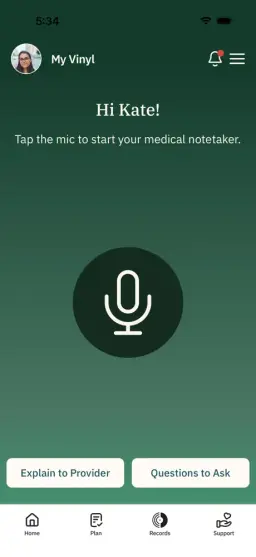
It also helps to have tools on your side. When you have them, the stress is less likely to spill into your work. And some tools, like the Vinyl Health notetaker, may even help you miss fewer days while still being present. You can learn more on our caregivers page.
6. Hand out real jobs
Give your siblings and friends specific things to do. Refills. Insurance calls. Rides. A clear ask gets a yes way more often than “I need help.” If the family chat is part of the problem, our guide to sharing a parent’s medical updates with siblings can help.
7. Watch your own tank
About 1 in 5 caregivers say their own health is fair or poor because of caregiving. Your checkups count too. Put them on the same calendar as your parent’s. If you need local help, the Eldercare Locator can connect you with services near your parent.
FAQ
Can I use FMLA for my parent’s appointments?
If you’re eligible and your parent has a serious health condition, yes. That includes taking leave in pieces for appointments. Ask HR for the forms.
What’s the hardest part of caregiving while working?
For most people it’s how unpredictable it is. A shared list and a backup person make the surprises smaller.
Does my employer offer caregiver support?
A lot of employers do and don’t advertise it. Ask HR directly. If your HR department is interested in learning more about caregiver support tools like Vinyl Health, you can connect them to us at marketing@vinylhealth.ai or point them to our employers page.
Try Vinyl’s Notetaker
Record your visit and get a plain language summary and next steps in your app. The audio never leaves your phone.
Get the app